
Protect Yourself from Identity Theft

Identity theft remains a serious threat. Although they can steal information digitally, thieves still rely on getting your information in person. They are always on the prowl - targeting places where you eat and shop, even where you live!
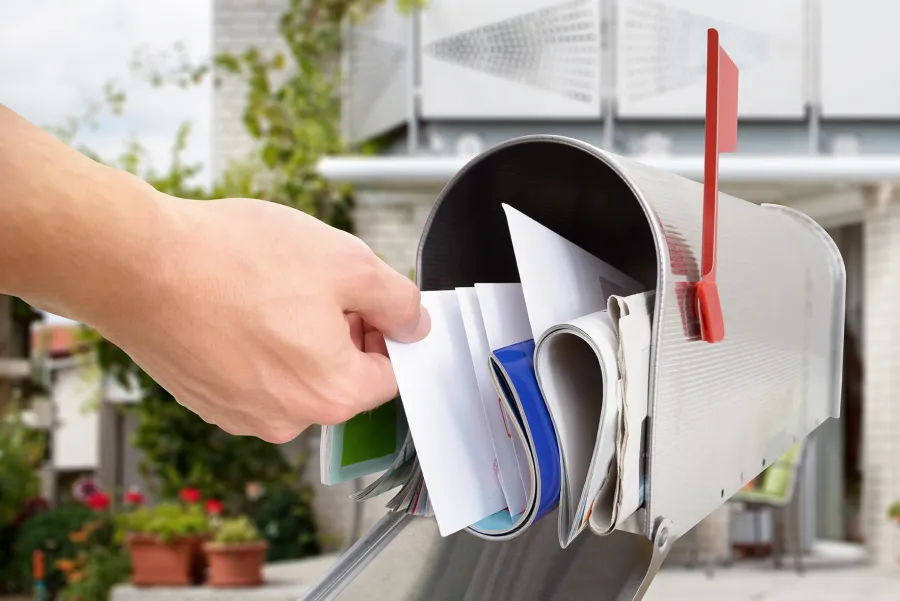
Person checking mailbox.
Keep Personal Information Private
  • Keep your sensitive information in a secure location. Protect your:
    • credit cards
    • bank cards
    • passwords/PINs
    • bank statements/receipts
    • bills
    • social security cards or documents containing your social security number
    • health insurance cards
    • driver’s license and number
    • and other personally identifiable information.
  • When disposing of any cards or documents with personal information, SHRED THEM!
  • Don’t give out personal information on the phone or online unless you have initiated the contact. If you ever believe you are not talking to a representative of a legitimate company, hang up or log off.
Stay Vigilant When Shopping
  • Protect your PIN when using an ATM, pay-at-the-pump, self-check out, or other devices. Shield the keypad from unauthorized skimming cameras and anyone nearby.
  • When using your debit and credit cards to pay in person, insert to pay. These options add another layer of security by encrypting your card number and producing a single-use code to validate the transaction.
Review Accounts, Statements and Credit Reports Regularly
  • Check your credit card and financial institution statements for unauthorized transactions upon receipt. Report any unauthorized transactions immediately.
  • Obtain copies of your credit report annually to be sure they are accurate. Request the information from all three major credit-reporting agencies: Experian.com, Equifax.com, and TransUnion.com.

You can also request a free copy from each of three agencies once each year at AnnualCreditReport.com or by calling toll-free 1-877-322-8228.

Protect Your Mail
  • Don’t put mail in your curbside mailbox until shortly before it will be picked up. Mail items with personal information at a U.S. Postal Service drop box.
  • Remove your mail from your curbside mailbox as soon as possible after it has been delivered.
  • If you are traveling, have the U.S. Postal Service hold your mail or have someone you trust pick it up daily.
  • If your bills or statements don’t arrive when expected, check into it quickly. This could mean that they are being diverted or have been stolen by an identity thief.

WHAT TO DO IF YOU SUSPECT IDENTITY THEFT

  • Contact the Federal Trade Commission (FTC) at IdentityTheft.gov or by calling 1-877-438-4338.
  • Ask the major credit-reporting agencies to place a fraud alert and freeze on your credit report.
  • File a police report.
  • Contact the fraud departments of any companies, banks, or credit unions where your accounts may have been compromised.
  • Report and apply for a new Social Security card, driver’s license, and passport if needed.
Woman on her laptop.

Notices & Disclosures