Jefferson Bank will not call, text, or email you asking for account numbers, passwords, PINs, or secure access codes. Call (210)736-7474 if you feel you've been compromised.
Jefferson Bank will not call, text, or email you asking for account numbers, passwords, PINs, or secure access codes. Call (210)736-7474 if you feel you've been compromised.
Posted: February 4, 2026

You work hard for your money, and keeping it safe is likely your top priority. While the thought of someone accessing your financial accounts can be unsettling, the good news is that you have more control over your security than you might think. Effective bank fraud prevention isn't about being a cybersecurity expert; it's about building simple, consistent habits that lock fraudsters out.
At Jefferson Bank, we believe that an informed customer is a protected customer. Fraud attempts are unfortunately common, but they often rely on simple tricks that are easy to spot once you know what to look for. By staying alert and understanding how these schemes work, you can bank with confidence knowing your personal information is secure.
Bank fraud is the illegal act of accessing a person's accounts or financial information to steal money or assets. In the past, this might have meant a stolen checkbook or a lost credit card. Today, fraud can happen through digital banking hacks, deceptive phone calls, phishing emails, or even skimming devices placed on ATMs.
The goal of these criminals is almost always the same: to get you to share your login details, PINs, or sensitive personal data. Understanding how to prevent bank fraud is crucial not just for protecting your balance but for your peace of mind. Recovering from fraud can be time-consuming and stressful. Stopping it before it starts is always the better strategy.

If you are looking for a quick guide on how to stay safe, keep these core principles in mind:
You don't need sophisticated software to protect your money. Many fraud prevention tips revolve around daily habits and how you interact with your accounts. By tightening up your security practices, you make it significantly harder for criminals to target you.
Your passwords are the first line of defense. Avoid using easy-to-guess codes, such as birthdays, or simple sequences like "1234." Instead, create strong, unique passwords for your banking apps and change them periodically.
Whenever possible, enable multi-factor authentication (MFA). This adds an extra layer of security by requiring a second form of verification, usually a code sent to your phone or email, before you can log in. To help protect your account, Jefferson Bank may ask you to verify a temporary, one-time secure access code during a call. This code is sent to your verified phone number and is only used to confirm your identity. We will never call and ask for your passwords. If you ever feel unsure about a call, hang up and contact us directly at (210) 736 7600.
One of the most effective ways to catch fraud is simply paying attention. Log in to your online or mobile banking regularly to review recent transactions.
To make this easier, set up account alerts. Jefferson Bank’s online banking platform allows you to configure notifications for specific activities, such as:
These alerts act as a 24/7 watchdog, notifying you the moment something unexpected happens.
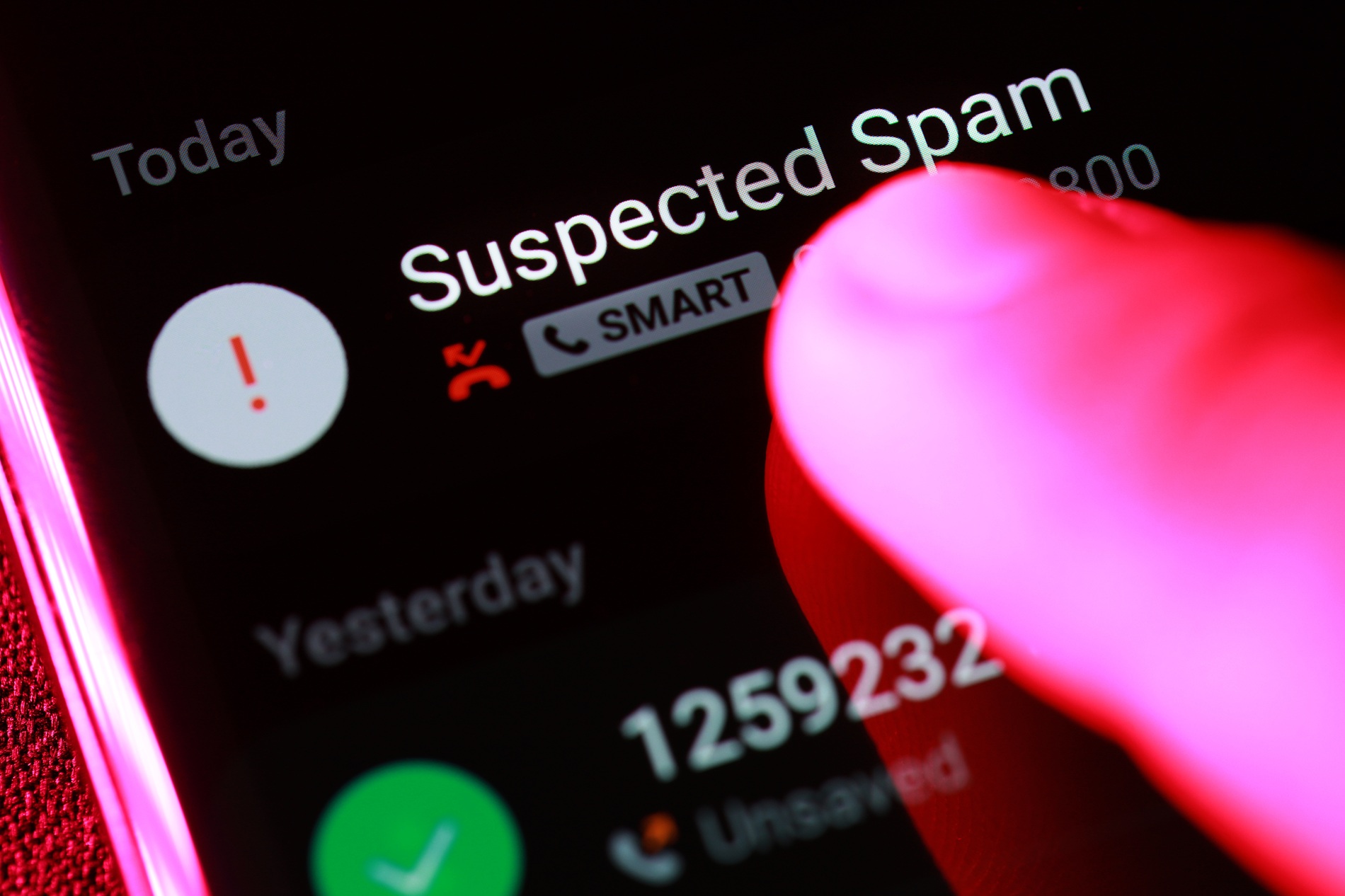
When banking online, always type the bank’s official URL directly into your browser rather than clicking links in emails or text messages. Scammers often create lookalike websites designed to steal your credentials.
If you are using a mobile device, stick to the official banking app downloaded from the Apple App Store or Google Play Store. Avoid logging into sensitive accounts while using public Wi-Fi networks, like those in coffee shops or airports, as these networks may not be secure. If you must check your balance on the go, use your cellular data instead.
Physical cards are still targets for fraudsters using "skimming" devices, hardware attached to card readers to steal data. When using an ATM or gas pump, inspect the card slot. If it looks bulky, loose, or different from the others, do not use it.
When entering your PIN, cover the keypad with your other hand to block the view of any hidden cameras or bystanders. Finally, if your card goes missing, don't wait to see if it turns up. Report it lost or stolen via your mobile app or by calling customer service, or if you are a Jefferson Bank customer, call our call center immediately to freeze the card.
If you ever need a step-by-step plan, review What To Do If Your Wallet is Lost or Stolen.
Scammers are constantly evolving their tactics, but they rely on a few common banking scams that play on your emotions. They want you to panic so you stop thinking logically.
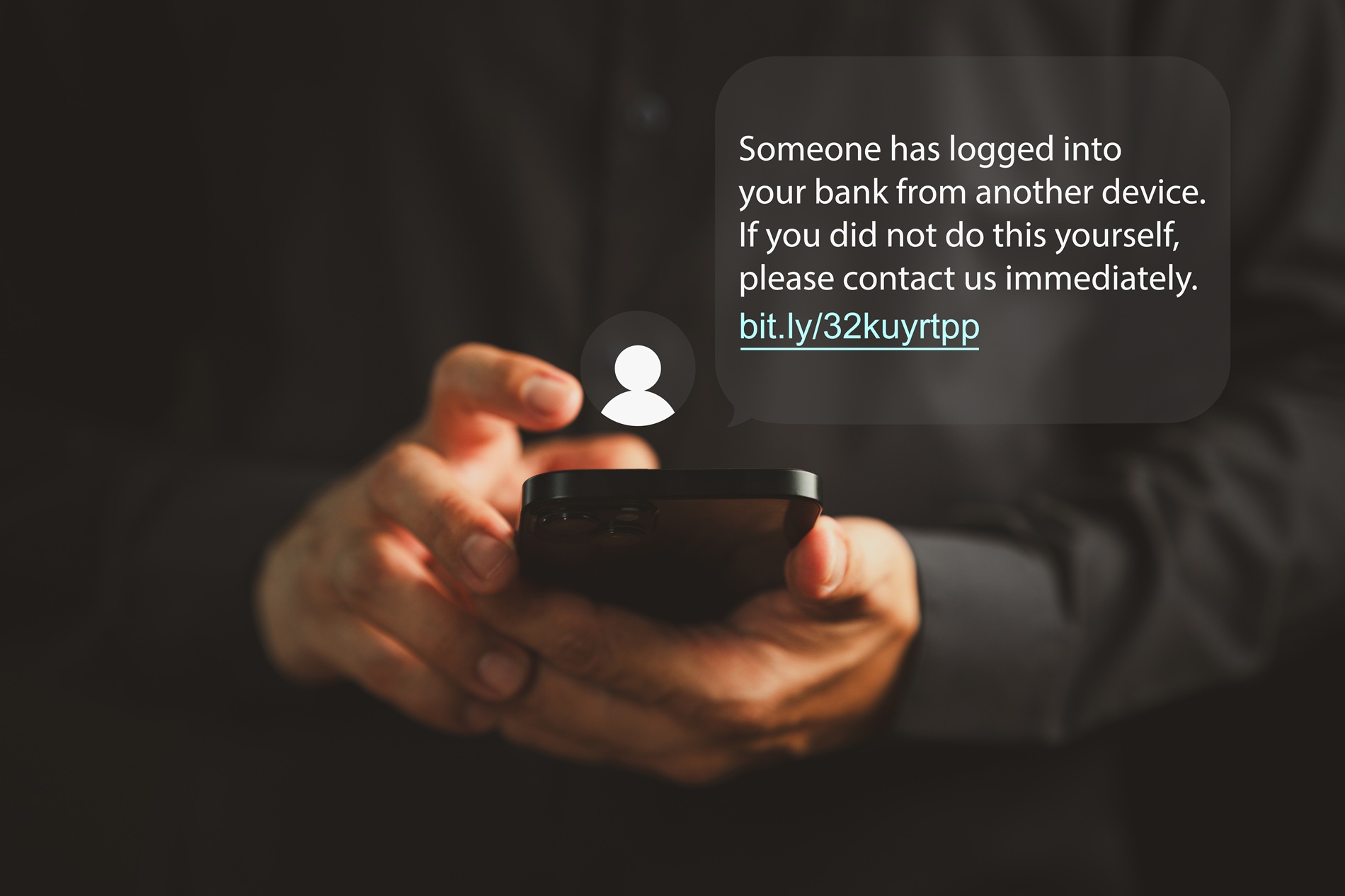
Phishing occurs when you receive an email, text, or phone call that appears to be from a trusted source, like your bank, the IRS, or a utility company. The message will likely claim there is an urgent problem with your account or a prize you need to claim.
They may demand you click a link or call a specific number to "fix" the issue. This is a trap. Jefferson Bank will never call, text, or email you asking for your password, social security number, or PIN. If you are unsure, hang up and call the number listed on the back of your debit card or call us directly at (210) 736-7600.
For additional tips on reducing unwanted outreach that can sometimes include fraudulent messages, review Stop Unwanted Calls, Emails and Direct Mail.
Payment apps like Zelle, Venmo, and Cash App are convenient for friends and family, but they are favorites for scammers because the transactions are often instant and irreversible.
A common tactic involves a fraudster claiming your account is compromised and instructing you to "reverse" a transaction or "protect" your funds by sending money to yourself or a "safe" account. This is a scam. Never wire money or send digital payments to people you do not know or trust.
Be wary of job offers that seem too good to be true, especially those that allow you to work from home with little effort but require you to handle money. In a check overpayment scam, a "buyer" or "employer" sends you a check for more than the agreed amount and asks you to wire back the difference. Later, the original check will bounce, leaving you responsible for the money you sent.
Regardless of the specific story the scammer tells, watch for these universal warning signs:
Bank fraud prevention goes hand in hand with identity theft protection strategies. If a criminal gets enough of your personal information, they don't just want to drain your checking account; they may try to open new loans or credit cards in your name.
Protect your personal data by shredding documents containing sensitive information before throwing them away. Limit what you share on social media; scammers can use details like your pet’s name or your mother’s maiden name to guess security questions.
For long-term safety, consider checking your credit report annually. This allows you to spot unauthorized accounts or inquiries that could indicate your identity has been compromised.
Discovering unauthorized activity can be frightening, but acting quickly is your best defense. If you suspect you have been targeted, follow these steps.
If you have been a victim of a scam, you may also need to file a report with the Federal Trade Commission (FTC) at ReportFraud.ftc.gov. If the fraud involved the internet, you can file a complaint with the FBI’s Internet Crime Complaint Center (IC3). Reporting these crimes helps authorities track trends and catch perpetrators.
At Jefferson Bank, keeping your money and identity safe is personal to us. We employ rigorous monitoring systems designed to detect unusual patterns in your account activity. From sophisticated firewalls to real-time fraud monitoring, we work behind the scenes to stop threats before they affect you.
At Jefferson Bank, we combine digital security with local support. If you have any concerns or are seeking reliable bank fraud prevention, feel free to visit one of our banking centers or call us directly. You can also access our fraud prevention and cybersecurity page to learn more.
Fraudsters rely on fear and confusion, but knowledge is your shield. By staying informed about the latest scams and adhering to sound security practices, you are already steps ahead of the criminals.
Remember, protecting your accounts is a partnership. We have the tools and the team to safeguard your assets, but your vigilance is the key. If you ever receive a message that seems odd or a request that makes you uncomfortable, stop. Call us. We are here to help you verify what is real and what isn't.
Stay safe, stay alert, and bank with the confidence that comes from having a partner who cares about your financial well-being.
Have a question or need to report something suspicious?
Non-Deposit Products are: not FDIC insured; are not deposits; may lose value. Non-Deposit products offered by Trust and 1900 Wealth.
We keep up with technology to help you stay in touch with and in control of your financial world from virtually anywhere, 24/7.
Use your smartphone or tablet to view current and available balances, transfer funds, deposit checks into your accounts, pay bills, and more.

Download the free*
Jefferson Bank app today.


*While Jefferson Bank does not charge fees for the use of Mobile Banking or Online Banking, message and data rates may apply. Check with your service provider for details.
Android™ and Google Play™ store are trademarks of Google LLC. Apple®, and the Apple logo are trademarks of Apple Inc., registered in the U.S. and other countries. App Store® is a service mark of Apple Inc.
*Non-Deposit Products are: not FDIC insured; are not deposits; may lose value. Non-Deposit products offered by Trust and 1900 Wealth.