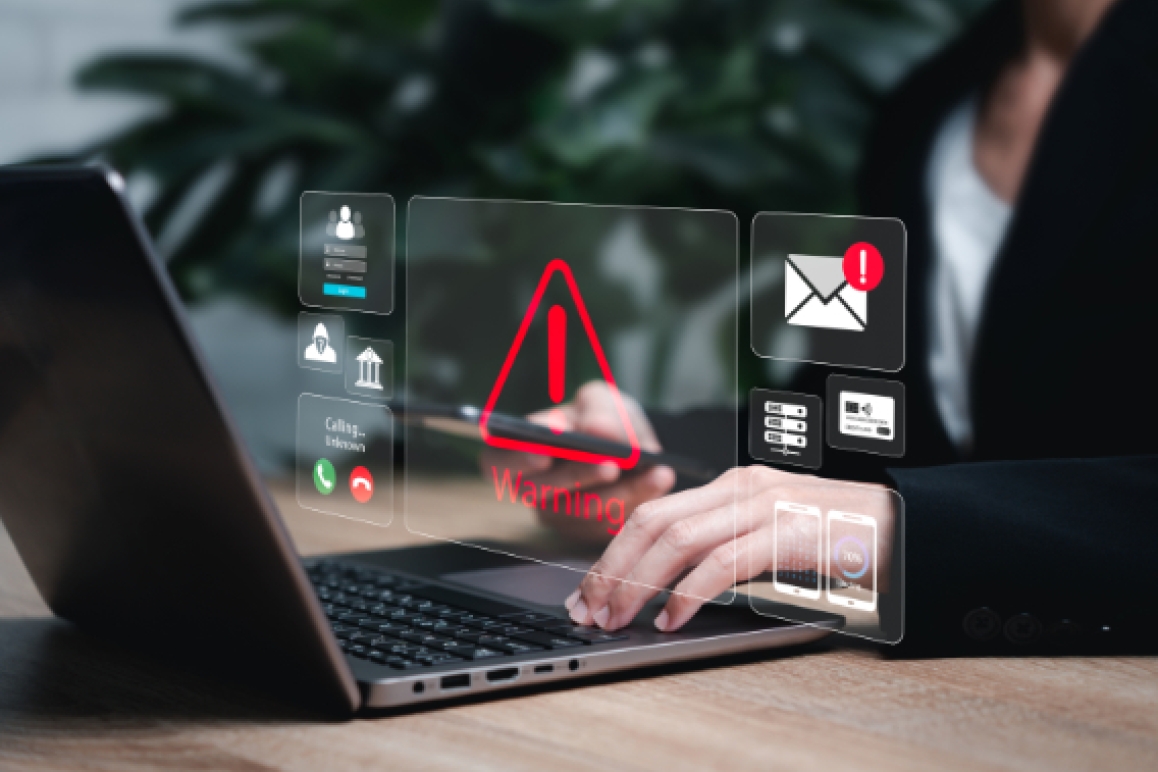
Central Texas is growing fast, and so are the tricks scammers use to reach the people who live here. Every new resident, new account, and new payment app gives fraudsters another door to try. Whether you have banked in Texas for decades or just opened your first account learning how to prevent bank fraud is one of the most practical ways to protect your money and your peace of mind, At Jefferson Bank, we have looked out for Texas families since 1946, and helping you stay a step ahead of fraud is part of how we do that. This guide walks through the most common bank scams in 2026, the warning signs to watch for, and simple steps you can take today to keep your accounts secure.
The Most Common Bank Scams to Watch Out For in 2026

Scammers constantly change their tactics, but most schemes still rely on the same few tricks: creating a sense of urgency, pretending to be someone you trust, and getting you to hand over information or money before you have time to think. Here are the common bank scams showing up most often right now.
Phishing Emails
Phishing is a fake email designed to look like it came from your bank, a delivery company, or another business you recognize. It usually warns you about a problem with your account and includes a link to a copycat website designed to steal your login details. The safest habit is to never click links inside unexpected emails. If you want to check your account, type your bank's or the company’s web address into your browser yourself or open the official app.
Text Message Scams (Smishing)
Text scams work the same way as phishing but arrive on your phone, often as a "fraud alert" asking you to confirm a transaction or reply with a code. Because texts feel personal and urgent, people respond faster than they would to an email, which is exactly what scammers count on. A real bank will not ask you to send account numbers, passwords, or one-time codes by text. If a message like this lands on your phone, don't tap the link; contact your bank using a number you already trust.
Phone Calls From "Your Bank"
In this scam, someone calls claiming to be from your bank's fraud department and says your account has been compromised. They sound calm and professional, and they may even know a few details about you, which makes the call feel legitimate. Their goal is to pressure you into confirming your PIN, password, or a verification code so they can drain the account themselves. When a call like this comes in, the smartest move is simple: hang up and call your bank back directly. Never use redial, even if the phone number appears to be correct. Always dial the trusted number directly to your keypad.
Payment App and Peer-to-Peer Scams
Apps like Zelle make it easy to send money to people you know, and scammers have learned to exploit that convenience. A common version starts with a fake fraud alert, followed by a "bank employee" who tells you to send money to yourself to keep it safe. Once you send that money, it is gone because these transfers are meant for people you trust and cannot be reversed. Only send money through payment apps to people you actually know, and treat any request to move money "for your protection" as a red flag.
Check Fraud
Check fraud is one of the oldest financial scams to watch out for, and it is still going strong. Criminals steal checks from mailboxes, alter the amounts or payees, or print counterfeit checks using stolen account information. Overpayment scams are also common, where someone sends you a check for more than they owe and asks you to wire back the difference before the check bounces. Using ink that can’t be easily erased or altered, mailing them from a secure location, and reviewing your statements often can go a long way toward preventing check fraud.
Wire Transfer and Big-Purchase Scams
Wire transfers move money quickly, and the funds are difficult to recover once they have been sent, which is why they are a favorite target for scammers. These schemes often show up around large, emotional transactions such as buying a home, where wires are common. A criminal sends fake wiring instructions that appear to be from a trusted source, but they route your money to the wrong account. If you are ever asked to wire funds, especially after receiving new or "updated" instructions by email, call the person or company using a verified number to confirm the details before sending anything.
AI Voice and Impersonation Scams
Newer scams use artificial intelligence to copy a familiar voice, sometimes a family member's, to make an urgent plea for money sound real. The caller might claim to be in trouble and beg you not to tell anyone, which keeps you from checking the story. If you get a call like this, pause and verify. Hang up and call the person back on their real number, or ask a question only they would know.
Warning Signs of a Bank Scam
Once you know what to look for, most scams start to feel familiar. Watch for these warning signs:
- A sense of urgency. Scammers push you to act "right now" so you do not have time to think or verify.
- Requests for private information. No legitimate bank will ask for your full password, PIN, or a one-time code.
- Unexpected contact. A call, text, or email you did not initiate should always raise your guard.
- Unusual payment requests. Gift cards, wire transfers, and cryptocurrency are favorites because they are hard to trace or reverse.
- Offers that seem too good to be true. Unexpected refunds, prizes, or "found money" almost always come with a catch.
- Links and attachments. Misspelled web addresses, odd sender emails, and random attachments are classic clues.
How to Prevent Bank Fraud: Practical Steps You Can Take

Effective bank fraud prevention does not require special software or technical skills. A few steady habits will protect you from most scams.
Use strong, unique passwords. Create a different password for each account, mixing upper and lowercase letters, numbers, and symbols, and change them from time to time. A password manager can keep track of them for you.
Turn on account alerts. Most banking apps allow you to receive a text or email whenever money moves. These alerts help you catch a problem within minutes, not weeks. At Jefferson Bank, you can utilize our card management feature, which alerts you when transactions are made on your checking account.
Use the card controls in your banking app. With the Jefferson Bank app and Online Banking, you can activate a new card, temporarily suspend a card, or report one lost or stolen, all from your phone. If something looks off, you can lock your card immediately while you sort it out.
Review your statements regularly. Small, unfamiliar charges are often a scammer testing the waters before a larger theft. The sooner you spot them, the easier they are to stop.
Be careful with public Wi-Fi. Free networks in coffee shops and airports rarely have strong security. Wait until you are on a private, password-protected connection before logging into your accounts.
Keep your devices updated. Software updates often patch the exact security gaps that scammers look for, so install them as soon as they are available.
Want more ways to protect yourself and your family? Jefferson Bank's fraud prevention resources are built to help you stay informed as scams evolve. Explore our Fraud Prevention and Cyber Security page, or reach out to a banker who can walk you through it.
When in Doubt, Hang Up and Call Us Back
Here is a rule worth remembering: Jefferson Bank will never call, text, or email you to ask for your account number, Social Security number, PIN, card number, security codes, or your Online Banking user ID or password. If anyone contacts you and asks for that information, it is not us, no matter how convincing they sound.
So if you get a call, text, or email that claims to be from your bank and something feels off, the best thing you can do is stop and verify. Hang up, then call Jefferson Bank back using the number on our website. You will never offend us by double-checking. Remember: Don’t redial. Call back by dialing the phone number directly or by typing it in. We would much rather take an extra call than see a customer lose a dollar to a scammer.
Video file
What to Do If You Think You've Been Scammed
Even careful people get caught off guard, and if it happens to you, acting quickly makes a real difference. If you think you have shared banking information or sent money to a scammer:
- Contact your bank right away. Call the Jefferson Bank Fraud Operations Department at (210) 736-7474 or email [email protected] so we can help protect your account.
- Lock or replace your card. Use the card controls in the Jefferson Bank app to suspend or close your card immediately.
- Change your passwords. Update your online banking login and any other account that uses the same password.
- Watch your accounts closely. Review recent activity and watch for anything unfamiliar in the days that follow.
- Report the scam. File a report with the Federal Trade Commission at ReportFraud.ftc.gov, which helps track and stop these schemes.
Our fraud team monitors accounts around the clock, and the faster you reach out, the more we can do to help.
Frequently Asked Questions
What are the most common bank scams in 2026?
The most common scams include phishing emails, text message scams, phone calls from someone pretending to be your bank, payment app and peer-to-peer scams, check fraud, wire transfer schemes, and newer scams that use AI to imitate a familiar voice. Most of them rely on urgency and impersonation to get you to share information or send money quickly.
How can I prevent bank fraud?
Use strong, unique passwords, turn on account alerts, review your statements often, avoid clicking links in unexpected messages, and verify any suspicious contact by calling your bank directly. Small, consistent habits stop most scams.
Will my bank ever ask for my password or PIN over the phone?
No. Jefferson Bank will never initiate a call, text, or email to ask for your password, PIN, full account number, or security codes. If someone requests that information, hang up and contact the bank yourself.
How can I tell if a text message from my bank is a scam?
Be suspicious of any text that pressures you to act immediately, asks you to reply with personal information or a code, or includes a link to verify your account. Instead of tapping the link, open your official banking app or call the number on the website.
What should I do if I accidentally give a scammer my banking information?
Contact your bank right away so they can secure your account, then change your online banking password, lock your card in the app, and watch your account for unfamiliar activity. Reporting it quickly gives the bank the best chance to help.
How do I protect my bank account from phishing scams?
Never click links in unexpected emails, and never enter your login details on a page you reached through one. Go directly to your bank's website or app, keep your devices updated, and delete messages that ask you to "verify" your account out of the blue.
How can I prevent check fraud?
Write checks in ink that can’t be easily erased, mail them from a secure location rather than an unlocked mailbox, and review your account often for altered or unfamiliar checks. Be cautious of anyone who overpays you and asks for the difference back.
Are bank wire transfers a common target for scammers?
Yes. Because wires move fast and are hard to reverse, scammers often target them, especially during big transactions like home purchases. Always confirm wiring instructions using a verified phone number before sending money.
What are the warning signs of a bank scam?
Common signs include a sense of urgency, requests for private information, contact you did not initiate, unusual payment requests such as gift cards or wire transfers, and offers that seem too good to be true.
What should I do if I notice an unauthorized transaction?
Contact your bank immediately to report it, lock or replace your card, and change your online banking password. The sooner you report an unauthorized charge, the easier it is to resolve.
Non-Deposit Products are: not FDIC insured; are not deposits; may lose value. Non-Deposit products offered by Trust and 1900 Wealth.