Jefferson Bank will not call, text, or email you asking for account numbers, passwords, PINs, or secure access codes. Call (210)736-7474 if you feel you've been compromised.
Jefferson Bank will not call, text, or email you asking for account numbers, passwords, PINs, or secure access codes. Call (210)736-7474 if you feel you've been compromised.
What to Look For
Posted: August 3, 2026

Running a small business means every dollar and every hour counts. The right business checking account can save you both, while the wrong one quietly drains time and money dealing with fees, transaction limits, and phone menus that never reach a person who knows your name. Mid-year is when many owners take a hard look at where they bank, so if you are comparing options, here is what actually matters when choosing a Texas business checking account.
Mixing personal and business finances is a common mistake made early on by many small business owners, which creates issues at tax time and during an audit. A business should have a dedicated business bank account as soon as revenue is generated or business-related expenses are made. Setting up accounts specifically for a business facilitates better recordkeeping and streamlined accounting while also helping build credit history for the entity. This plays an important role when it is time to qualify for financing. Depending on the structure of the business, having a dedicated business checking account can offer the owner some personal protection from the business’s liabilities and debt.

A business checking account opens the door to a banking relationship, not just a place to park deposits. The difference between a transactional bank and a real banking partner becomes evident when you need financing, hit a cash flow crunch, or want to expand. As Brian McDonald, Small Business Lending Officer at Jefferson Bank, puts it: "An experienced banker acts as an external CFO, understanding your cash flow cycles and structuring tailored financing for your unique needs."
Not every Texas business checking account is built the same. These are the features worth comparing before you open or switch.
Monthly maintenance fees can add up, but many business accounts waive them if you maintain a minimum daily balance or meet certain activity requirements. Look for an account with a fee structure that aligns with how your business operates, helping you keep costs predictable and avoid unnecessary charges.
Most business checking accounts include a set number of free transactions each month, with a small charge for each additional item. For example, a high-volume retailer and a two-person consulting firm have very different banking needs. It is important to understand your typical activity. Estimate your monthly deposits, checks, and electronic transactions, then choose an account that accommodates your business without charging you for capacity you will not use.
Strong digital banking is no longer optional for a small business. You want real-time balances, mobile check deposit, bill pay, card controls, and the ability to move money quickly and securely from wherever you are. The best business checking account for a small business pairs technology with tools that enhance how you run your company.
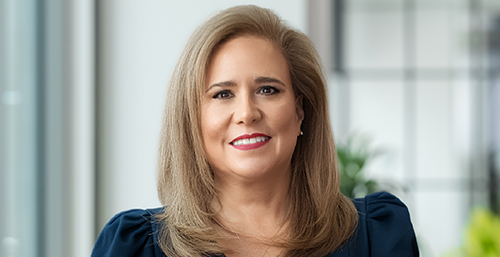
Local decision-making and a banker familiar with your business are difficult to replace with an app. Barbara Garcia, Area Banking Center Manager at Jefferson Bank, describes it simply: "A dedicated banker takes the time to know your story, business structure, and financial goals." When questions or opportunities come up, reaching someone local who understands the Texas market and already knows your business beats explaining yourself to someone new every time you call.

As your business grows, so does the need for more sophisticated services. A solid checking account is just the starting point. Treasury management services like ACH origination, wire services, remote deposit capture, and fraud tools such as Positive Pay help you move money faster and protect it. Racheal Centeno, Senior Vice President of Treasury Management at Jefferson Bank, notes that "many business owners overlook banking technology that integrates directly with their accounting and office software," which is exactly the kind of efficiency that becomes increasingly valuable as your business grows.
Ready to talk with a banker who knows the San Antonio and Central Texas market? Connect with a Jefferson Bank business banking officer to compare account options built around your business needs.
Price matters, but it shouldn’t be the sole criterion when choosing an account. Owners often focus too heavily on rates and fees rather than long-term fit and service, which can land them at a large institution where they are just a number or at a smaller bank that cannot support their growth.
Loans often play a significant role in determining where a business banks, but finding a place that provides the tools necessary to manage and protect those funds is equally important. Treasury management and fraud protection tools are essential to the daily operation. Efficient cash management and solid fraud prevention keep the business running smoothly, so understanding what the bank offers should be a priority before you open an account, not after a problem arises.
Many business owners never ask who actually approves loans or how the bank handles a business that hits financial difficulty. Local decision-making can mean faster answers and a banker who can advocate for the human story behind your financials.
The right setup today may not fit in three years. If revenue scales, ownership changes, or you need advanced treasury services and your bank cannot keep up, it may be time to move.

A dedicated banker acts as your advocate inside the bank, connecting you to the right specialists in lending, treasury management, mortgage, insurance, and wealth services. Instead of re-explaining your business to a new voice every time, you have someone who already knows it.
Beyond checking, a full-service Texas bank can coordinate business lending, treasury management, insurance, private banking, and trust and wealth services as your needs get more complex. Having those conversations flow through one relationship saves time and keeps your financial picture consistent.
Reassess your banking relationship at key growth points: when revenue scales, complexity increases, ownership changes, operations call for advanced treasury services, or new financing needs emerge. If your current bank cannot accommodate the change, that is your signal to compare options.
Jefferson Bank offers a range of business checking options, from a straightforward entry-level account to accounts built for high-volume activity and analysis-based pricing. Our business bankers can help you match your transaction volume and balances to the right account rather than forcing your business into a one-size product. Explore business checking options.
Jefferson Bank has served Texas businesses since 1946. With banking centers across San Antonio, Boerne, New Braunfels, and Austin, your business needs are met by local bankers and decision-makers who understand the regional market.
You get real-time online and mobile banking, mobile deposit, card controls, and a full suite of treasury management tools, backed by bankers you can actually reach.
Choosing where your business banks is a decision you live with every day. If you want a business checking account in Texas backed by local decision-making, strong digital tools, and a banker who knows your name, Jefferson Bank is ready to help. Reach out to a business banking specialist or visit a banking center near you to get started.
You can, but it is not a good idea. Separating business and personal funds keeps your bookkeeping clean and simplifies taxes.
Yes. A Texas LLC can open a business checking account, and doing so is an important step in keeping the business's finances distinct from the owners'. Requirements vary, so confirm the specifics with your banker.
Banks typically ask for your Employer Identification Number (EIN), formation documents (such as your Certificate of Formation and, for an LLC, your operating agreement), and valid identification for the owners or signers. Requirements can vary by bank and entity type, so check with the bank before opening the account.
Many do, but the fee is often waivable if you maintain a minimum daily balance or meet activity requirements. Compare transaction limits and fee structures against how your business actually operates.
It depends on your volume. Low-activity businesses may be fine with a basic tier, while high-volume operations should look for higher transaction allowances or analysis-based pricing to avoid per-item charges.
Local decision-making usually means faster answers, a banker who understands the regional market, and someone who can advocate for your business when it matters most.
Consider switching when your business outgrows its current account, when fees no longer match your activity, or when your bank cannot support new financing or treasury needs.
Non-Deposit Products are: not FDIC insured; are not deposits; may lose value. Non-Deposit products offered by Trust and 1900 Wealth.
We keep up with technology to help you stay in touch with and in control of your financial world from virtually anywhere, 24/7.
Use your smartphone or tablet to view current and available balances, transfer funds, deposit checks into your accounts, pay bills, and more.

Download the free*
Jefferson Bank app today.


*While Jefferson Bank does not charge fees for the use of Mobile Banking or Online Banking, message and data rates may apply. Check with your service provider for details.
Android™ and Google Play™ store are trademarks of Google LLC. Apple®, and the Apple logo are trademarks of Apple Inc., registered in the U.S. and other countries. App Store® is a service mark of Apple Inc.
*Non-Deposit Products are: not FDIC insured; are not deposits; may lose value. Non-Deposit products offered by Trust and 1900 Wealth.